Affairs of (real) Estate

What is our responsibility—to ourselves, our family, and our community—for the assets we have accumulated during our lives? I confronted this question last year, when I turned sixty-five and reckoned with the good fortune bestowed upon me.

Fresh senior citizens in these United States are inundated with information about Social Security, Medicare, and Estate Planning. Silver-haired gents in boxy suits at Residence Inn function rooms dissect the minutiae of Parts A & B. They intone the virtues of revocable trusts. As a person blessed with comprehensive health insurance who’s allergic to any investment more complex than a no-load mutual fund, preparing for old age and beyond loomed unsavory. But after witnessing the chaotic aftermath of two friends who died without wills, I knew the responsible thing to do. So I sucked it up, enrolled in Medicare, and prepared an estate plan.

Friends all know my personal mantra, “It doesn’t cost much to be Paul Fallon.” I don’t have extravagant tastes, buy grown-up toys, or play the horses. Although architects are among the lowest paid professionals, I enjoyed a long run of middle-class income. So it wasn’t a complete surprise to discover that fully vesting my 401K year after year accumulated into a robust Vanguard balance.

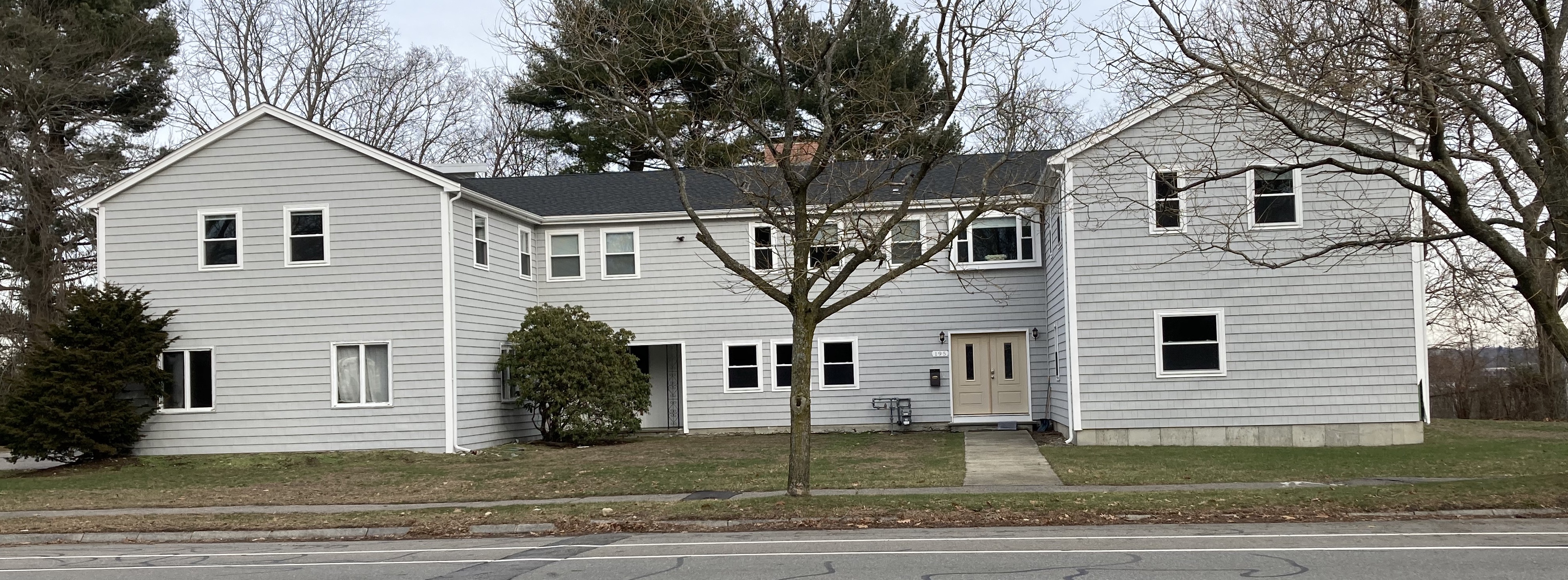
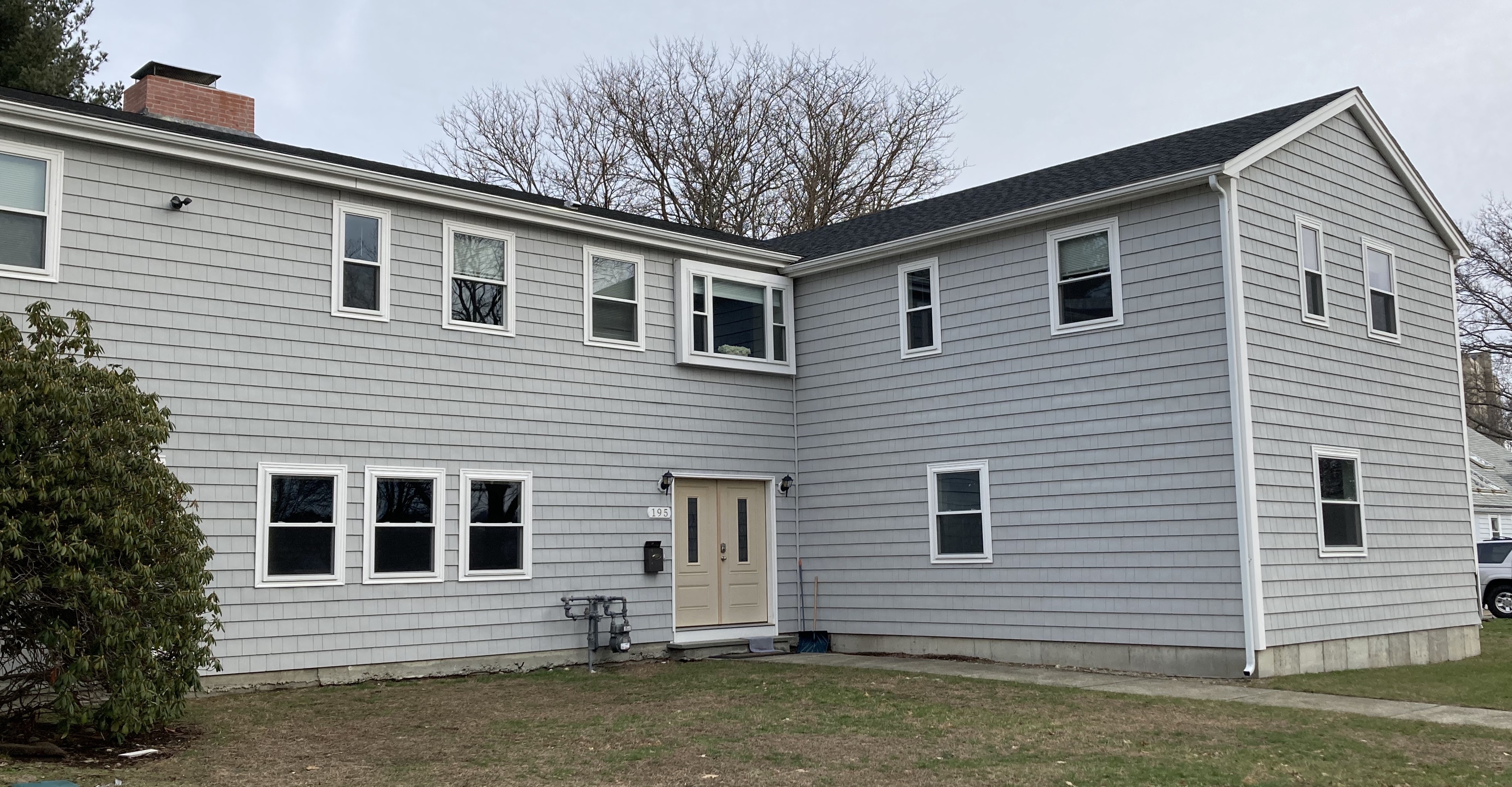
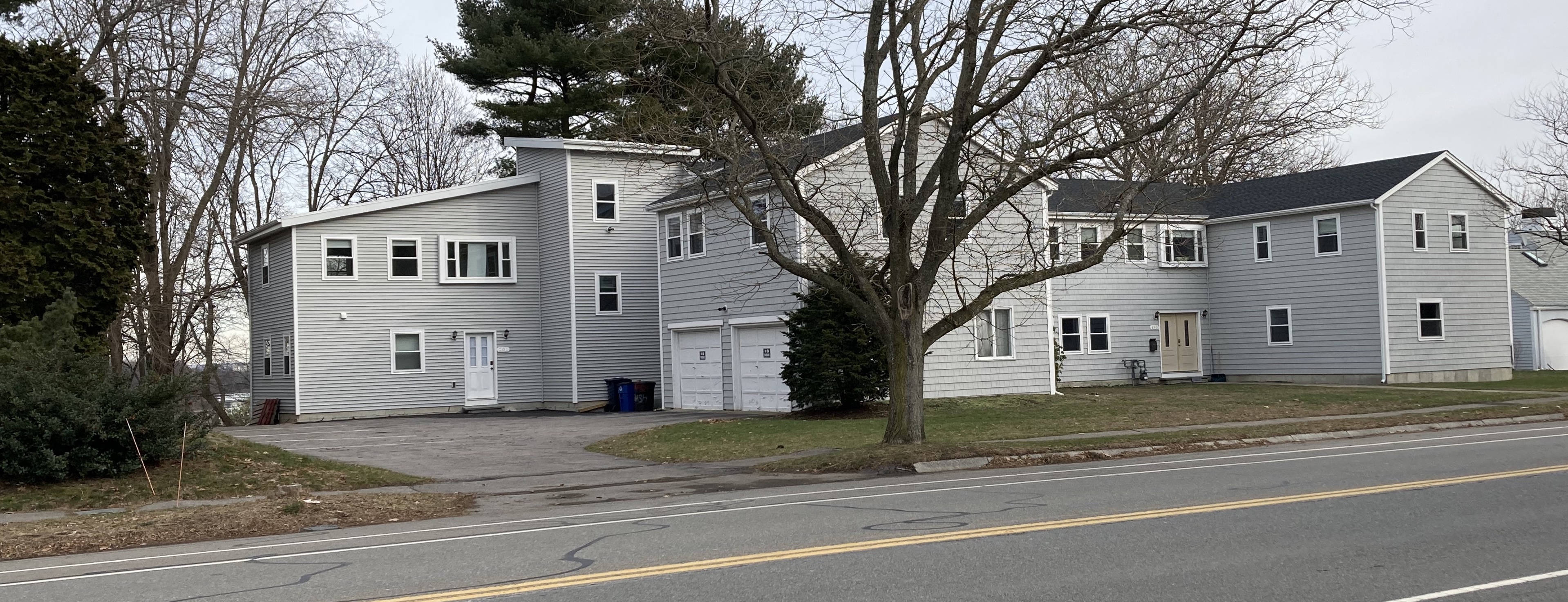
The shocker came from real estate. Back in 1992, when most families with young children headed to the suburbs, my wife and I bought an aging four-family in Cambridge. We wanted to raise our children in the city and I salivated over years of renovation.

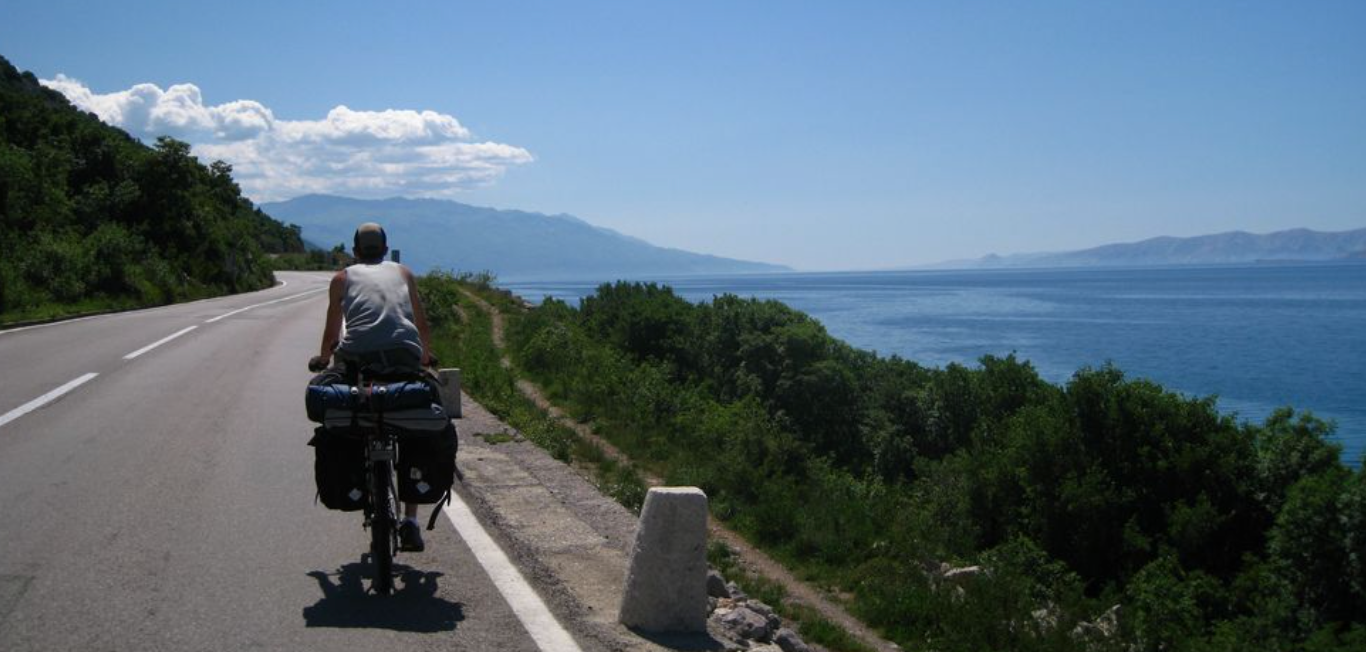
Life didn’t play out as planned. Our marriage ended; our children grew up and out; I took on housemates to fill the too-big space. Another unplanned reality: Cambridge real estate’s extraordinary appreciation. This was simply dumb luck: the same four-family in Cleveland or Detroit might have bankrupted me. But once renovations were complete and the mortgage retired, the reasonable rents I charge generated plenty of income. They enabled early retirement and middle-age adventures: volunteering in post-earthquake Haiti; bicycling through 48 states. Thank, you, thank you, this old house.

Twenty-nine years on, my pricey real estate deserved careful consideration. I’ve never met anyone who inherited financial independence without becoming seriously damaged in other ways, so I didn’t want to leave the place outright to my children. Yet, I couldn’t sell it to them anywhere near the market rate because a property we purchased on reasonable incomes in 1992 is now worth far more than any salaried person can afford.

Besides, age has radicalized me. I want my largest asset serve a wider purpose than familial enrichment.

The difference between being a ‘have’ and ‘have-not’ in these United States is largely a matter of whether a person owns their house. American homeowners’ equity more than doubled in the seven years between 2012 ($7.78 Trillion) and 2019 ($18.72 Trillion). That’s $57,000 per American. Unfortunately, not everyone gets a slice. Over 115 million citizens have exactly zero equity, and as housing prices continue to accelerate, the chance of them ever becoming homeowners continues to diminish.

My property cannot alleviate our city’s affordable housing crisis, but it can do something transformative for four families. Provide shelter that blooms into economic freedom. Raise them into the middle class. Perhaps even take them beyond.

Left to market forces, that notion is fantasy. The appraising realtor explained that the ‘highest and best economic use’ of my four-family building would be for a developer to purchase, gut, and renovate it into a pair of single-family townhouses, each of which would sell for several million dollars. Thus, I would further contribute to Cambridge’s loss of modest residential units, dilute the city’s population density, and reinforce economic stratification. The exact opposite of my objectives.

It took a year to address my ultimate first-world problem of too-valuable real estate. First task: discussions with my children about this unconventional idea. I sounded out their acceptance and gained their agreement. Second: sending an intentionally vague one-page concept to eight local non-profits: universities; bank foundations; developers. I chose to refine my concept with Just-A-Start Corporation, a local housing and service provider with whom I have a thirty-year affiliation. Finally, there was legal language, a friendly realtor, a gifted estate attorney, and details too tedious for a blog post.

The Cliff Notes will suffice.

When I die, or become incapacitated, my properties are bequeathed to Just-A-Start Corporation. My children have a six-month period to purchase them back from JAS at 90% of appraised value, with a proportionate down payment (roughly equal to their direct inheritance) and the remainder financeable through a local bank who’s already green-lit the scheme. In this scenario, my children can choose to return to their childhood home, without the largesse of outright inheritance, while JAS gets a few million to invest in other affordable housing projects. If my children choose not to buy-back the property, JAS will select four families to kick-off a revolving ownership program that is purposefully more generous than most affordable arrangements, as the owner’s appreciation is sizable, and ownership can be handed down through generations. Either way, my dual objectives are achieved: the bulk of my estate will provide affordable housing that promotes continuity and ownership.

Just-A-Start and I decided to broadcast this novel model of property transfer, (kicked off with a Boston.com article). From JAS’s perspective, our collaboration illustrates their creative approach to providing affordable housing opportunities. For me, it gets to the heart of what the propertied class must do to promote a more equitable world.

In a single generation an aging structure in a middle-class neighborhood has become a multi-million-dollar property along a Tesla-infected street. During the same period, my city’s vanishing middle class makes Cambridge a less diverse, less dynamic place to live. Given the scope of our nation’s inequality, my decision to transfer property in an unconventional way is miniscule. From a radical political positiosn, it is too little too late: I could live thirty years before it comes into effect. Still, it’s one tangible step, and if I get hit by a bus tomorrow, the bequest is in effect.

My plan with JAS is worthwhile. And replicable. Over 25 million baby boomers own our homes, almost half of us have no mortgage. The default action in any estate plan—leave our property to our children—further stratifies wealth. It’s important for folks to consider other ways. Our plan may not be right for you. But if we are serious about living in a just world, those of us whom fortune has blessed have to do the real work. We have to redistribute our wealth.
Posted in Uncategorized | Tagged , , , | 6 Comments

On Time

My object all sublime

I shall achieve in time

To make the punishment fit the crime

The punishment fit the crime.

  • The Mikado, 1885

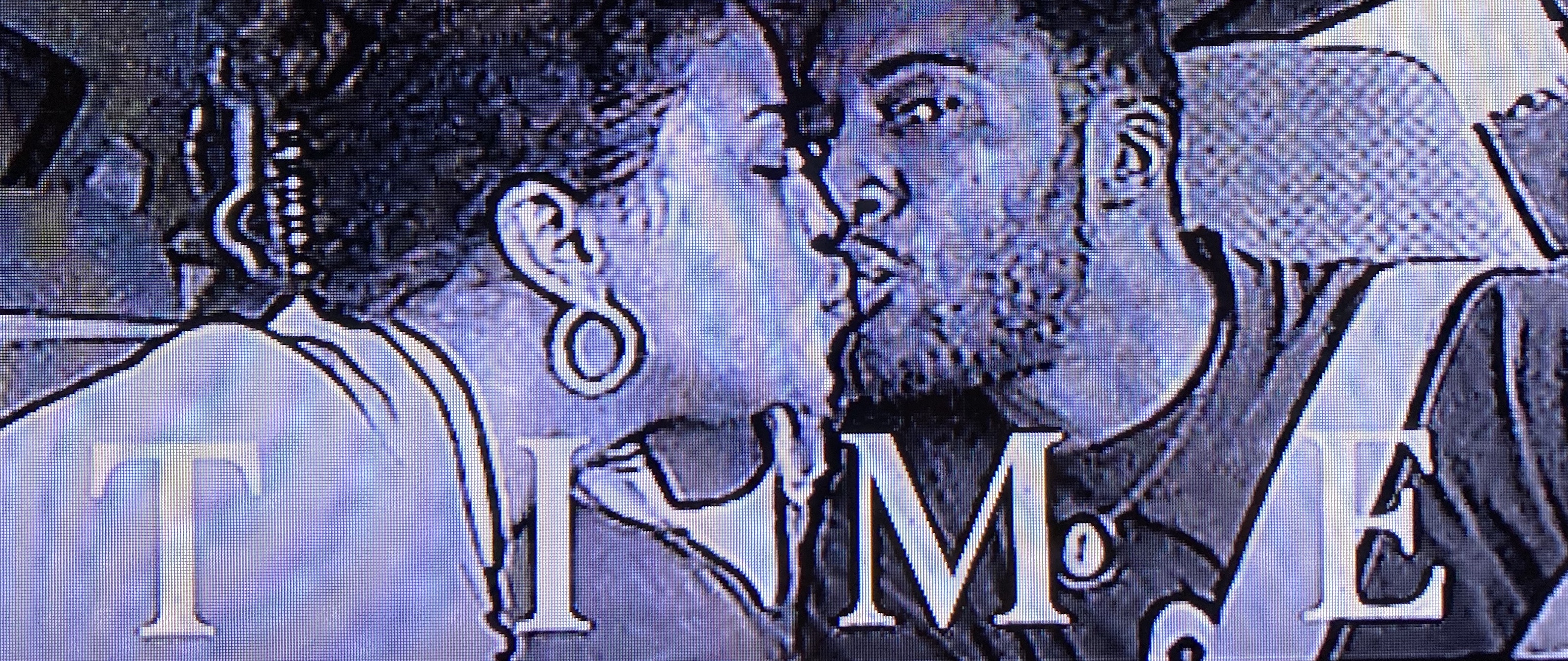
One-hundred-thirty-six years since an operatic buffoon first pranced the stage bemoaning the consequences society inflicts upon its evil-doers, consider the Academy Award nominated documentary, Time. A film that assures us, no progress has been made.

I watched Time with prejudice: assuming I already know the harm our racially-skewed and excessive incarceration system lays upon fellow citizens. Not first-hand mind you: people like me rarely go to prison. Rather from reading, as if empathy-in-print equaled experience.

I can’t say that I particular liked Time, nor even that it added much to my indirect experience of incarceration. But the film stays with me. Its unanswered questions swirl in my head. What lingers is what the film leaves out.

Start with the title. “Time” is a vague. It could be about Stephen Hawking as soon as Sibil Fox Richardson and her quest to get her husband Rob released from Louisiana’s Angola Prison. The obviously clear title is “Doing Time.” Which everyone in this film does: Sibil; her husband; their four sons; for close to twenty years.

Then there’s the backstory. Selective at best. The film is rich in video clips Sibil made for her husband over the years, from when he first enters Angola while she’s pregnant with twins. We learn that they were high school sweethearts, that they opened a clothing store in Shreveport, that they struggled financially, that they committed armed robbery, and that they got caught. Rob is sentenced to sixty years without parole. Sibil—the getaway driver—also does time. What we don’t learn are any details about her time in prison, or who reared the boys, or how the family arrived at the current state. Present tense cameras record four admirable young men, one a dental school graduate, another college bound, living with their professional activist mom in what appears to be middle-class comfort. We get no reference of the struggle that led from there to here.

Intuition suggests the key is Sibil’s mother, a stern Black woman whose minor role downplays outsize influence. Watching this woman, during her too few moments on camera, makes clear the origin of the daughter’s firm resolve. It also illustrates a mother’s disappointment. That her well-reared daughter might have married a doctor or lawyer instead of a bank robber. The dismissive greeting she gives Rob upon his parole lays bare the fact that this woman does not approve; she endures.

At different points in the film both mother and daughter use the phrase, “You do the crime, you do the time.” Yet they say it to such different effect. For the mother, the crime spans the breath of all her daughter’s poor choices. For Sibil, it’s a badge of honor: she has done time beyond the harm of the crime.

I can understand why it’s necessary to portray this family as so upstanding, in order for attain the audience’s approval. Though that’s really too bad, because a sixty-year sentence for the crime committed is ridiculous regardless of character. The baseline message is clear: the punishment was so severe because Sibil and Rob are Black, and the obstacles Sibil faces to bring her husband home are not only Herculean; they are arbitrary and demeaning.

The film makes a clear and powerful case that our penal system is skewed, harsh, and ineffective. And in one powerful scene we observe Sibil in her church, asking forgiveness of the bank employees her husband terrorized during the robbery, of her mother, and her congregation. Sibil convinces us that the justice meted out was unjust. But once again, there is an important question that Time leaves out.

What punishment would have been appropriate?

Sibil is so personally knowledgeable about our prison system, I would love to know what she considers fair punishment for the crime she and her husband committed. After all, they robbed a bank: with guns. That’s not nothing. Regardless of where you stand on the spectrum of capitalism or gun rights, any society has to set consequences for people who violate its precepts.

It’s hard to conjure a single crime whose punishment is best met by sending a man to prison. Yet that is what we do: more than any nation on earth. When I hear Sibil’s voice, so steeped in the futility of our prison system, and I trust her experience I will never attain, I want to hear a deeper message than “the system is bad.” She and her husband committed a serious crime and suffered extreme consequences. I want to hear her outline a punishment that would be just.

Posted in Uncategorized | Tagged , , , | Leave a comment

Confessions of an Educational Counselor

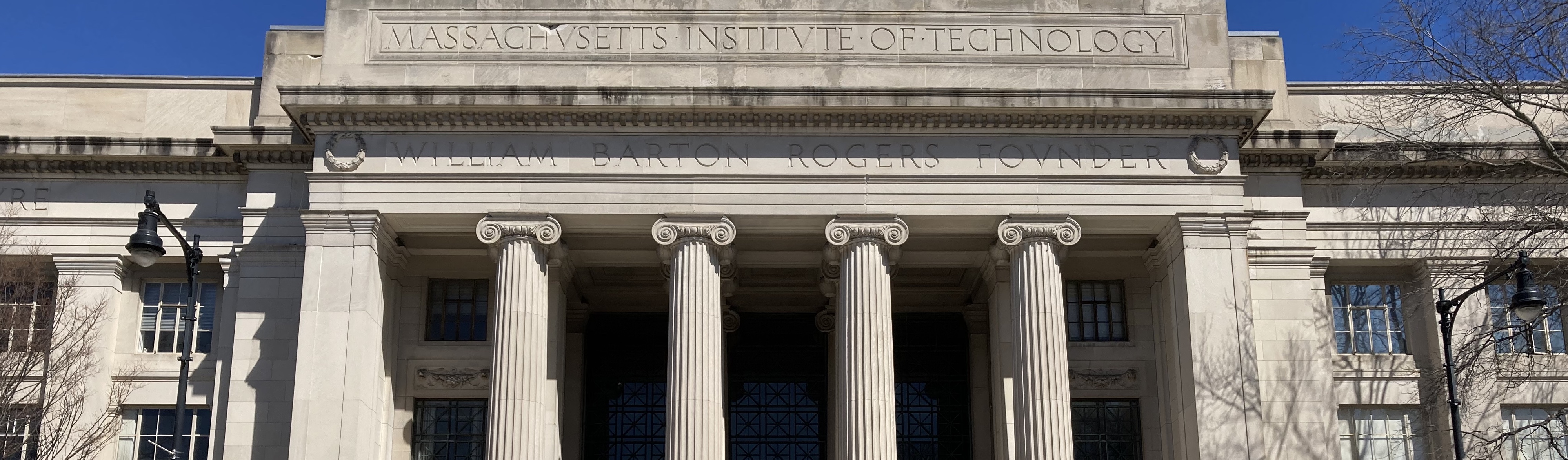
An interesting virtual volunteer opportunity presented itself last fall. MIT was looking for alums to interview a pandemic-induced bumper crop of undergraduate applicants. Spending thirty minutes or so with an engaged high school senior with geeky leanings is a piece’o’cake for a guy who perfected the art of kibitzing any stranger who invited him and his bicycle overnight. Besides it would be fun to recall MIT years, time-rubbed to a fond luster, and bask in current aspirants’ enthusiasm.

Here are the ground rules. An Educational Counselor (fancy title for: me) is assigned applicants to interview. EC’s receive only an applicant’s name, high school, and home town. No academic credentials. Our task is to seek out each student’s unique story and then file a narrative report, a 1-5 Leichardt rank on ‘enthusiasm,’ ‘personality,’ and the all-important ‘Overall Match.’ ‘5’ is a gem among the multitudes; ‘4’ represents the top ten percent of interviewees; ‘3’ is a good match; ‘2’ a poor fit; and ‘1’ is a stop light.

After brief training, I was assigned to the Oklahoma region, yet received only one specific applicant. That actually turned out to be a blessing. As I free-roamed the Overflow pool. I developed personal strategy to meet applicants from my formative geographies (Jersey shore; Norman, OK; and Lubbock, TX) as well as rural places I’ve visited. In total, I interviewed twenty-eight applicants from quirky spots like Coos Bay, OR; Las Cruces, NM; Kenosha WI; and Fayetteville NC. I savored the moment in each interview where I revealed familiarity with the student’s hometown and our talk turned local.

As in any volunteer experience, the rewards I received for my effort exceeded my investment. During a depressing period of American health and history, I enjoyed meeting these impressive and optimistic candidates.

What did I learn from my experience?

I learned that the future is in capable hands. These young people are impressive in their ability, ambition, and consciousness.

I learned that, as a group, first-generation students from India run circles around everyone else. They come to the interview prepared to speak of their passion; they’ve also done their research on me. They know every box MIT wants checked: social consciousness, community service, entrepreneurial initiative; dazzling academics. Then they deliver their case with a humble yet compelling personal story.

How did my interviewees fare in the admissions race?

I interviewed six glistening candidates, each of whom rose beyond the already impressive crowd. I abided by MIT’s rules and only assigned three of them a ‘4’ match, though I wrote such glowing narratives, I hoped they would all receive four-star consideration. My top six were geographically diverse: New Mexico; Indiana; Georgia; New Jersey; Texas. But five of my top six were bound by common thread: first-generation Indians who lived in multi-generational households. Each has done impressive independent research, yet each demonstrated a passion rooted in humanitarian rather than economic impulse.

In classic geek-style, MIT issues admission notices on PI-Day (3/14). MIT’s acceptance rate is tiny—around five percent—and since I’d  bypassed super-star students from prep schools, Bronx Science, and Boston Latin; as well as the flood of applicants from tech-savvy enclaves like Plano, TX; Fremont, CA; and Lexington, MA; I knew my outlier applicants’ chances were slim. Yet, as a long-ago outlier myself, I held out hope.

Exactly one of my interviewees was accepted; a woman originally from India with an open demeanor who has already done meaningful research on cancer clusters. She blew me away; though no more than the other five of my top six.

I’m thrilled that one of ‘my’ students was accepted, and I’ll be a quick to sign-on again next year should MIT need EC’s. But the overall experience reinforces my dominant concern with elite schools.

There are so many more students who can thrive at MIT than ever get the chance. Surely, they will get good educations at Georgia Tech or the University of Wisconsin. But that credential will not open the same doors and provide the same cache as the initials ‘MIT’ on their resume. In a fairer society, everyone with the ability and drive to meet the challenge of MIT would have the chance. And our world would be a whole lot better for that.

Posted in Uncategorized | Tagged , | 3 Comments

Democrats with Feet of Clay

Consider a handful of US State governors. Governor Kemp of Georgia signs a draconian voting suppression bill. Texas Governor Greg Abbott blames wind turbines for contributing to the deaths of Texans. Florida Governor Ron DeSantis denies reports that wealthy people receive more COVID-19 vaccines. Republicans all, these guys just keep on wreaking havoc through strong-arming and falsehoods.

Then there’s Gavin Newsom, Democratic Governor of California, embroiled in a recall, ostensibly over his heavy-handed approach to the pandemic, spiced with the double hypocrisy of sending his children to in-person private schools while keeping public schools closed, and attending a large birthday party that exceeded his own gathering restrictions. And New York’s Andrew Cuomo, called to step down by officials of his own party after multiple women accuse him of sexual harassment before any investigation has concluded—or even begun.

The Republican governors represent a laissez-faire response to the pandemic: their states are open for business, masks optional. Meanwhile, the two Democrats steer a more complicated and interventional course. Upon first order analysis, neither approach is commendable: each of their respective states have COVID-19 rates between 90,000 and 100,000 cases per million residents: in line with US average of 93,000. A more nuanced analysis might concede that New York and California’s large urban populations were slammed early in the pandemic, while the Red States could argue that opening their economies diminishes the collateral ill-effects of quarantining and joblessness. Each side juggles statistics to support their case.

Then why are the two Democratic governors in such hot water? The truth lies in an essential difference between our two major political parties.

Democrats proclaim to be the party of the people; to understand the struggles of the poor and disenfranchised, and work toward alleviating them. They aspire to a better future by taking stock of where we are—today— and collectively improving it.

Republicans offer a completely different message. “We are rich and powerful, and if you vote for us, someday, you might be like us.” The simplicity of the message is genius. No need to get bogged down in any present reality or actual path forward. (Remember: the Republican Party has no platform; no stated list of objectives or goals.) Republicans are accountable for nothing, to no one. Their appeal is the aspiration, “You can be like us!” even if the mechanics actually make it more difficult for the have-nots to gain wealth and power.

Ideology aside, Ron DeSantis, Greg Abbott, Brian Kemp, Gavin Newsom, and Andrew Cuomo have much in common: they are all rich, powerful white men. Which is how, ultimately, Governors Newsom and Cuomo get into trouble. DeSantis, Kemp and Abbott don’t pretend to identify with their constituents; it is only important that their constituents identify with them. (“I want to be the rich guy who talks tough.”) But Newsom and Cuomo, like most Democrats, pretend to be like the people they represent. Of course, they are not. Does Gavin Newsom see the duplicity of sending his children to private school while closing the public schools? Perhaps not. Does Andrew Cuomo realize how his looks, words, and gestures are out-of-bounds in the egalitarian society he pretends to uphold? Obviously not.

Back in Berkeley, CA in 2015, pedalin’ Paul stayed with political consultant Lea Grundy, who explained an enduring yet irrational aspect of a democracy: people vote their aspirations over their interests. We vote for the guy who’s above the rest of us rather than the chum just like us. We cut down the hypocrisy of the privileged masquerading as a-man-of-the-people in an instant, even as we toss adoration (and votes) to guys who proclaim the rules don’t apply to them. That’s how a guy like Donald Trump can boast about pussy and still be elected President, while sucker Al Franken resigns the Senate over lesser transgressions.

We elect Republicans, in large part because they pretend to stand on granite ground. We damn Democrats, hobbled by feet of clay.

Posted in Uncategorized | Tagged , , , , , , , | Leave a comment

A Year of 10,000 Steps

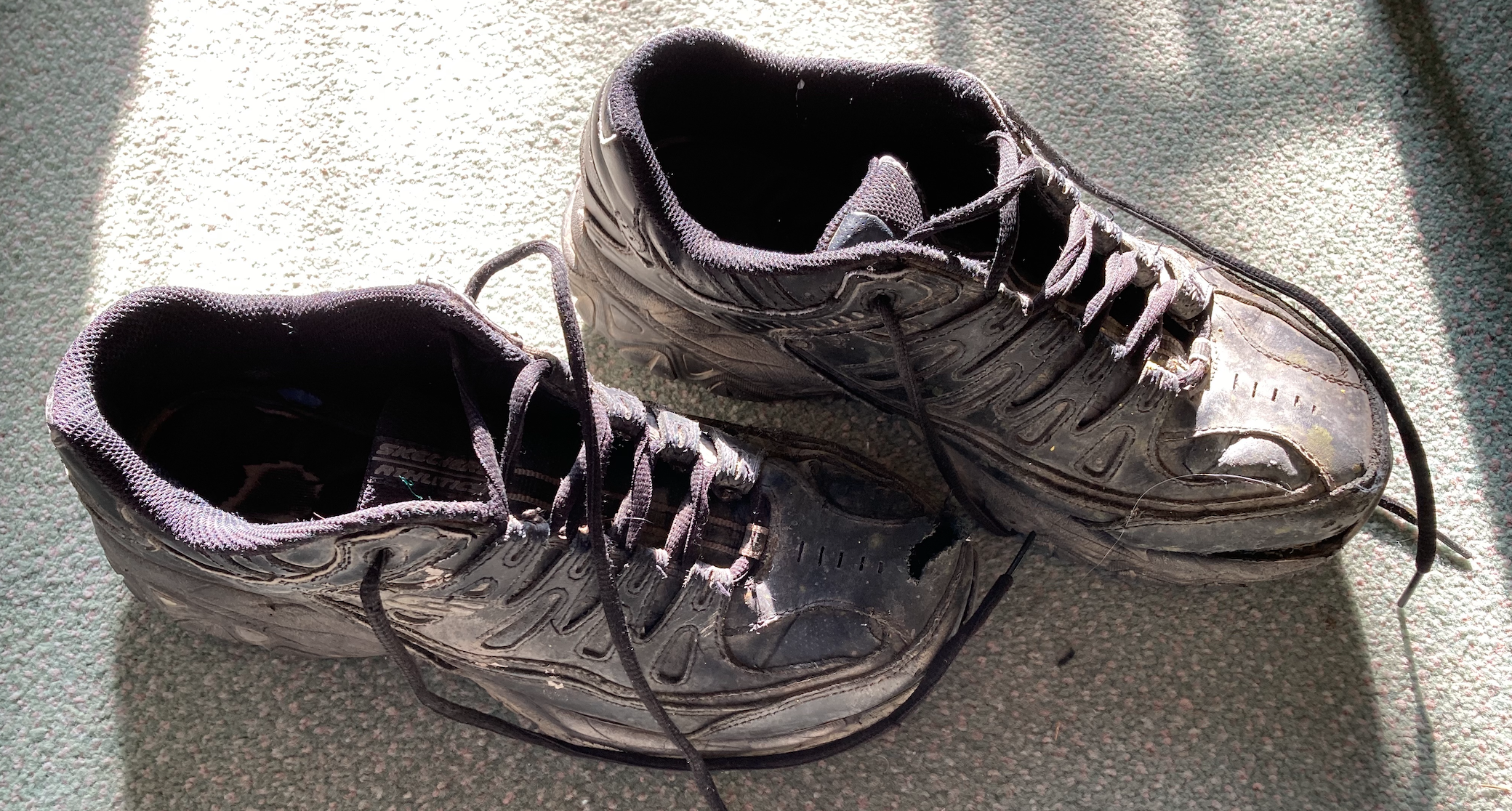
Ouch! Crack! I hear the crisp snap of my left baby toe catching on the leg of the locker room bench. I know, even before I glance at the digit splayed away from its brother toes, before it even begins to blossom and purple, that my toe is broken. I’ve broken several across the years. Broken toes are ridiculous injuries, bothersome rather than incapacitating. I hobble home, sanitize one of my housemate’s used popsicle sticks (he has a frozen sweet tooth), cut a doll-size splint, and Siamese-twin my pinky and ring toes with adhesive tape.

Three days later I’m ready to return to the gym. But in the interim—March of 2020—the world has changed. Quarantine has gone into effect. My gym is closed. Pretty much everything else as well. All that remain is contradictory information which, like most Americans, I interpret to my benefit. Social distance: piece of cake. Frequent hand washing: not a fan. Stay indoors: no way. I cover my face and venture out into the empty world. Ditto the next day, and the next. I am simply too antsy not to move.

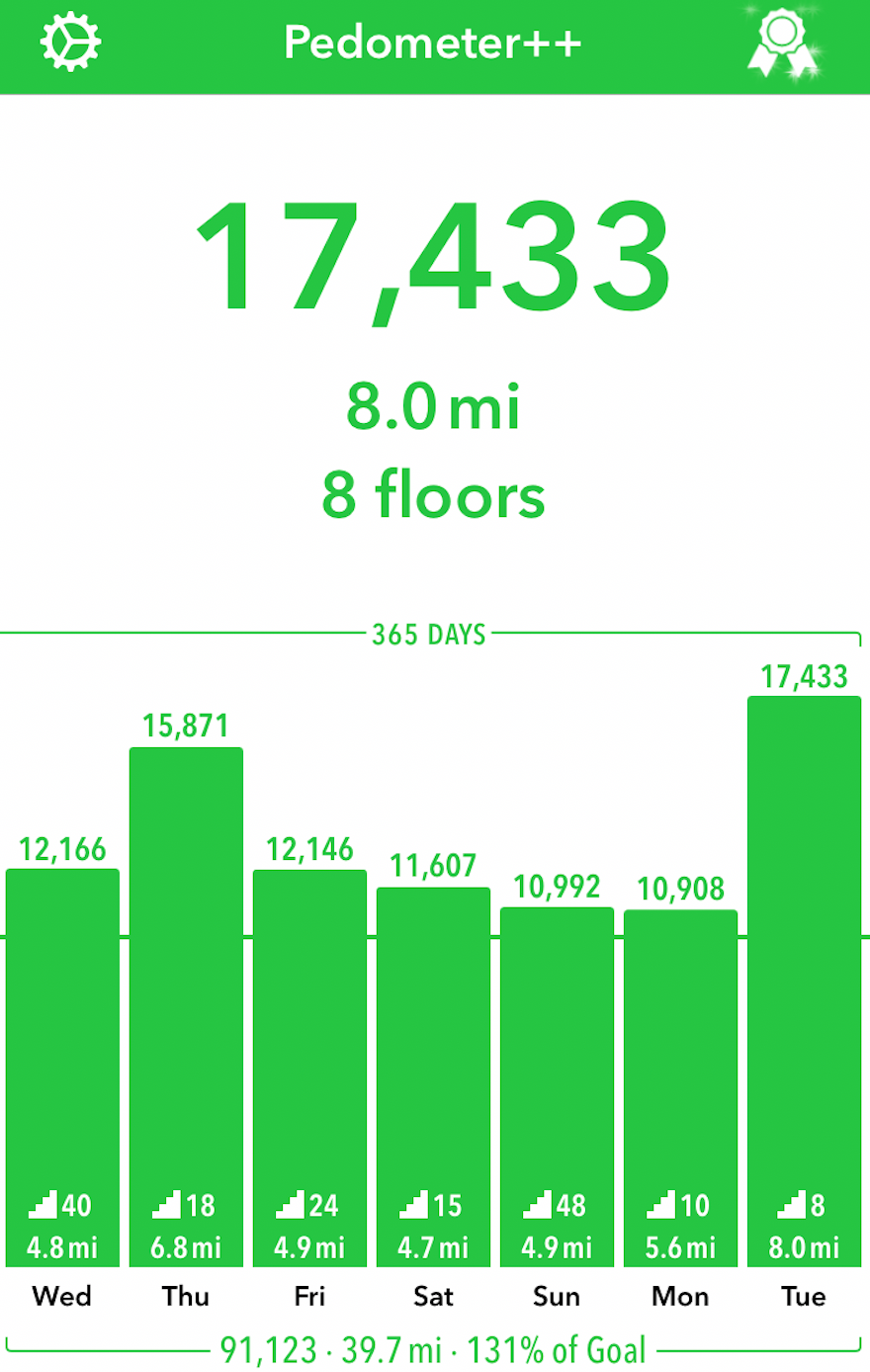
My world shrinks so tiny, I scarcely ride my bike. Everything essential is within walking distance, and goodness knows I have plenty of time to get places. My toe heals. I kept walking. I explore neighborhoods I’ve never visited; it’s nice to discover something fresh. My pedometer logs 10,000 steps or more a day. Every day.

I always enjoy a challenge, especially when wallowing in ennui. I target 10,000 steps a day for a month. Then another. By summer, the objective is clear: 10,000 steps for a year.

Walking 10,000 steps a day is cultural shorthand for middle-aged health. The science behind the theory is less impressive than the simplicity of the number. However, most of us fall far short. The Mayo Clinic estimates most Americans walk 3,000 to 4,000 steps a day. It’s not difficult to boost that number, but I can attest: it doesn’t happen casually. Walking 10,000 steps every day takes time, effort and discipline.

Time: I have learned that in order to walk 10,000 steps a day, I have to dedicate at least an hour a day to walking, on top of general movement. Others might be able to get by with less—I have a notoriously leisurely gait—but it is virtually impossible to log 10,000 steps in a day without taking a conscious walk.

Effort: The advantage of doing a sustained walk is that it can feel like actual exercise. You’re not likely to break a sweat, but when trekking three or four miles in one clip requires enough effort to induce fatigue. Unfortunately, walking will never replace a gym session or Pilates class; the benefits for the lungs and legs simply don’t translate to the upper body. Gravity’s belly sag still must be battled with planks.

Discipline. Every morning I figure my day’s walk. I prefer to have a destination. Even better, an errand to accomplish. Taking in 10,000 steps on a sunny September Saturday is easy, virtuous, fun. Not so much in rainy November, icy January, or windy March. Until you mine the satisfaction in striding through those challenges and tackle the task with zest rather than dread.

As of March 16, I’ve walked over 10,000 steps every day for a full year. My personal best was June 13, 2020 (37,215 steps). I managed only 10,030 on January 20, 2021. (I am not above pacing the hall at night while brushing my teeth if I need that extra hundred or two.) I doubt I will extend my goal to the next logical milestone: five years is way off and, knowing me, I’ll likely break a toe in the interim. Still, I don’t see myself couch potatoing anytime soon. Like everyone, I’ve had my share of boredom, depression, and lethargy during this pandemic. Still, I’m convinced I’d have had a whole lot more without my daily walks.

Happy trails!

Posted in Uncategorized | Tagged , , | Leave a comment

James Madison, a Drug Rep, and a Hispanic Resident Walk into a Bar…

During this ‘anniversary’ of the coronavirus pandemic in the United States, I offer three vignettes. Draw as loose, or tight, connection as you like.

A Pandemic! Who’s in Charge?

Among my favorite webinars this year are the podcasts offered by the National Constitution Center, a non-partisan, non-profit organization dedicated to appreciating our constitution. Last March, Polly Price and Ed Richards, two experts in the history of quarantine addressed: Can state and federal governments require people to stay at home during the coronavirus pandemic?

The US Constitution is quiet on issues of pandemic and public health. Before air travel, disease spread slowly across land or sea. The term for our fundamental response to plague—quarantine—refers to port cities that mandated ships suspected of carrying plague to rest at harbor for forty days before unloading their cargo. Can you imagine that level of delay in our just-in-time system of global production and distribution? Plague raged through the world for hundreds of years, yet its severity varied over time and place. As a consequence, responding to pandemics has historically been a local matter. Accordingly, James Madison deferred public health issues to cities and states in our constitution.

Like many aspects of our hybrid Republic, there are quirks. The Federal government maintains jurisdiction of waterways that provide interstate transit; a role later extended to rail and truck traffic. Cities and states that impose quarantines at their borders must demonstrate real danger to impede interstate transit. However, once documented, federal rights bow to local quarantines.

A guiding precedent of the relationship among governmental entities during pandemic comes from my own city of Cambridge, MA. Back in 1902, Henning Jacobson, a Swedish immigrant who suffered a negative reaction to a childhood vaccine in his native country, refused to get the mandatory smallpox vaccine. (Massachusetts was one of 11 states at the time that allowed cities to impose mandatory vaccinations.) Pastor Jacobson appealed his fine and argued to the Supreme Court an invasion of his liberty. “No person should be required to receive a vaccination to which he objects.” The Supreme Court decided 7-2 (Massachusetts vs. Jacobson, 1905) in favor of the state: the rights of individual liberty could be curtailed for a demonstrated public good. As a result, cities and states maintained broad police powers during pandemics; Pastor Jacobson was out five bucks; and the anti-vax movement was born. Since 1908, the Anti-Vaccination League of America has been championing individual rights over scientifically proven collective benefit.

Public Health / Private Health

My favorite statistic of the 1900’s is this: Over the 20th century, the average life expectancy of an American increased by 25 years. An additional three months every year! I doubt the 21st century will deliver a proportionate increase, as American’s average life expectancy has actually been falling.

As an architect who spent much of the 1980’s and 90’s designing intensive care units, imaging centers, and operating suites, I know well the accolades bestowed on our technologically driven health care system. But the truth behind increased longevity lies elsewhere. MRI’s, stents, and laser surgery all enhance the prognosis for an individual patient’s life. But the tremendous growth in 20th century life expectancy is due to simpler, more broadly applied health measures: tenement laws that required access to light and air, clean water, social security, and mass vaccination.

In the 1970’s, healthcare spending began to grow much faster than inflation. It’s spiraled up ever since. Spending also shifted—in parallel with societal trends—towards individual benefit. Today, we spend over $11,000 per person on healthcare, 17.7% of our GNP. Yet less than 1% is directed towards public health. This may explain why the drug rep pushing metformin to the thirty million Americans with Type-2 diabetes makes top money; while folks working to change the food system that fosters the disease go begging. But it doesn’t explain why we continue to make such lop-sided, expensive choices. An obstinate streak of individualism over evidence accounts for that. Those who can afford it, get hip replacements and erectile dysfunction pills; while collective crises like contaminated water in Flint, MI; exposed sewerage in Lowndes County, AL; virulent gun violence; and rampant opioid addiction rage on.

Just as public health measures increased longevity during the twentieth century, our lack thereof chips away at our collective lifespan today. And leaves us unprepared, in stockpiles as well as in empathy, to address a collective challenge like coronavirus.

The Voice of Truth

Like many, I’ve spent hours listening and reading stories of pandemic. “Ugh, another tale of pain and death,” I think as a Reveal program about a doctor in Fresno, CA comes on the radio. But following Dr. Paloma Marin-Nevarez during her COVID-drenched first-year residency is a powerful tale. Her insights are the most relevant I’ve heard.

Early on, the ‘Hero’ signs that greet this fresh doctor coming to work make her uneasy. “I don’t feel like a hero. That’s not me. I’m not doing the impossible.”

Eight months later, the interviewer asks a more confident and seasoned Dr. Marin-Nevarez to reflect on being called a hero:

“This pandemic was a catastrophic failure. There almost 400,000 people who are dead in this country because we expect that the job of taking care of others lies only in those who get paid to do so. And by calling other people heroes, we are separating ourselves from that job.

“What if every single person had seen themselves as a hero, and had said ‘no’ to traveling during the holidays. Or had said, ’no’ to throwing a wedding during a pandemic, or had said ‘no’ to having a party or to have get together. Or to give something up.

“What if everyone had thought…‘it is also my job to take care of others’…By calling healthcare workers heroes we let ourselves off the hook. We absolve ourselves of what we could have done to protect each other.”

James Madison, a drug rep, and a Hispanic resident walk into a bar. One brings a delicately balanced governmental structure that allows for collective collaboration—or can easily be contorted to confuse and mislead. One is flush from giving individuals the exact relief they seek—he’s buying this round. The third bears the burden of folks so rich and so powerful for so long they simply outsource any responsibility for their fellow human—and deduct it from their taxes.

The punchline of the joke? Over half-a-million dead…and counting.

Posted in Uncategorized | Tagged , , , | 2 Comments

Our Year of Passive Living

We are coming up on a year since the term ‘quarantine’ jumped off the leaves of dusty history books and defined our reality. Many of us have been doing…nothing. With…no one. If you consider ‘to live’ an active verb, we’ve scarcely been alive. What lessons can we draw from a year of passive living?

Throughout the pandemic, I’ve acknowledged general good fortune. The past year has been a terrible time for anyone in flux. If you had to move, find a job, apply to school, have a baby, or undergo surgery, the task was significantly more difficult. My basic life condition is unchanged. It’s been a tough year for people living alone, or in small quarters. I have an ample house with a basement workshop, and a congenial housemate who’s a terrific cook. It’s been a stir-crazy year for people stuck at home. I’ve been fortunate to maintain a steady gig at the local hospital, thereby claiming a legitimate excuse to be out and about. I’m also the perfect demographic to survive the pandemic least scathed. At 66, I’m on the young side of those most likely to die from coronavirus. Yet, since I’m retired, and hardly essential, I can avoid unwarranted exposure.

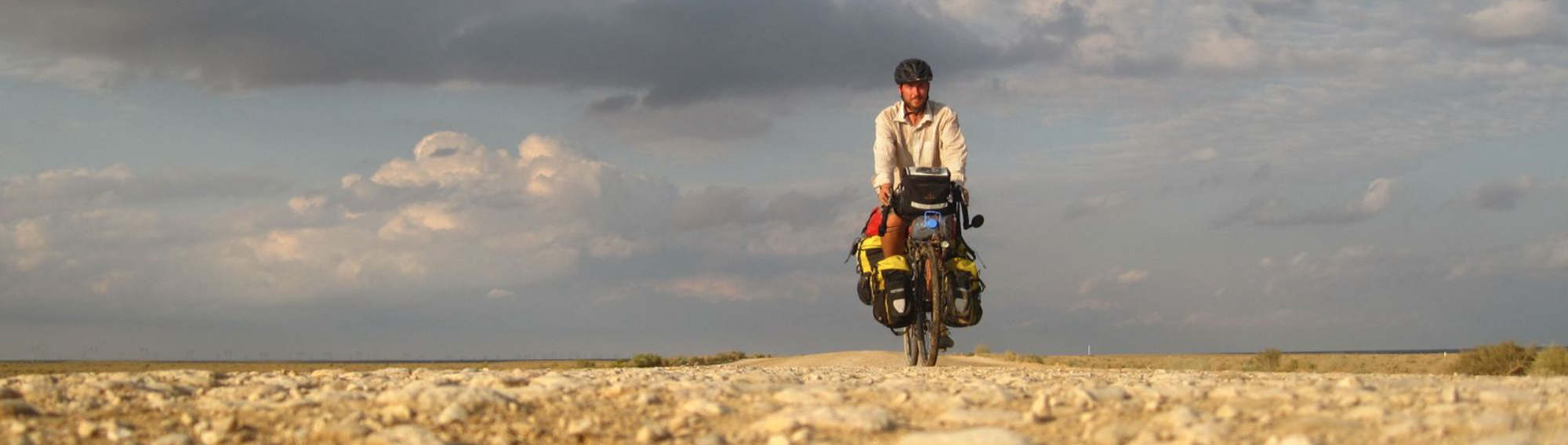
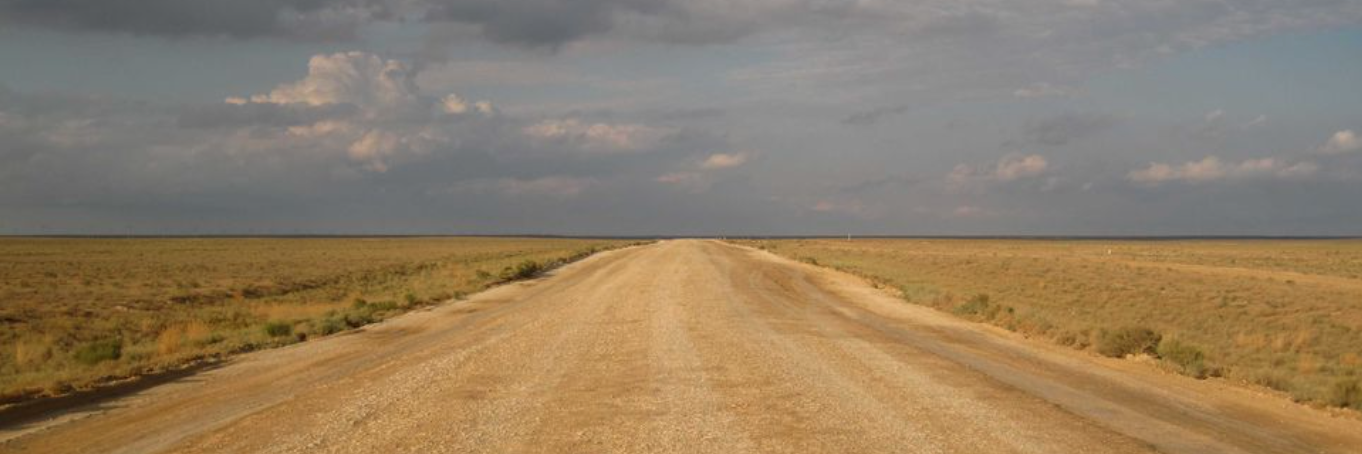
My view pedaling through the desert
Leon’s view pedaling through the Steppes of Russia

But there’s another benefit of living through a pandemic at my age, as opposed to say, forty, or twenty, or even five. There isn’t much to ‘do’ during a pandemic except recollect when ‘doing’ was possible. So it’s handy to have a sixty-five-year catalogue to draw upon.

A friend of mine recently sent me a link to this terrific article about two long distance cyclists who meet, serendipitously, on the Steppes of Russia. I loved the article and following the cyclists’ adventures. Of course, I enjoyed it all the more because it evoked parallel memories of my own bicycle adventure. The article prompted me to realize how much more we can appreciate what we read, and watch, and podcast, when we endue the content with personal experience. Since I’ve had a corresponding experience, the article gave me pleasure. If I was twenty years old, bursting with energy, stuck at home, the same article might only cause frustration.

My view along Big Sur
Noel’s view along the sea

My hope for that energetic twenty-year-old is that the adventure I enjoy by experiencing it through the rear-view mirror becomes their motivation for action once this pandemic-thing is over. That all the action they’ve had to constrain springs forth in a fulfilling post-pandemic life.

ing

Posted in Uncategorized | Tagged , , | Leave a comment

Forgive Student Debt? No. Restructure It.

The current argument over student debt: should the government forgive the first $10,000 in debt or the first $50,000 in debt, is a classic case of a political issue being whittled down to two choices, neither of which is very good, neither of which address root cause. Although I am inclined to think that forgiving $50,000 in debt is five times worse than forgiving $10,000.

I do not pine for the United States circa 1950’s that MAGA folks seek. I am, however, quick to admit that our nation was doing very well by one particular group of people—straight white males—during that period. And the likeliest route to becoming an equitable society in the 2020’s might very well be to offer the kind of programs that led to living wages, increased home ownership, and access to higher education for white men in the 1950’s and 60’s to: everyone!

Between the GI Bill and the 1970’s, colleges and universities offered higher education to more people than ever before. The United States became the world’s education leader by investing in two important ways. First, the government funded public universities, which helped keep tuition reasonable. Second, the government established loan programs to provide deferred-interest loans to individual students at low rates.

I was a direct beneficiary of the second approach. The ‘financial-aid package’ for a kid from a low-quartile income family included scholarship, required work-study, and loans. After four years of college I owned a whopping $11,000 (real money in 1977). However, the interest on that debt did not even begin to accrue until after my VISTA service and graduate school. Even then, the 3% interest rate made repayment feasible without inhibiting my ability to undertake the major financial obligations many of us acquire in our thirties: start a family and purchase a house.

The investments that my government made in me paid handsome dividends. I got a great education, did useful work, and made a good salary. In exchange, I paid the US government steady taxes for four decades. A win-win all around.

In the 1980’s, the mantra of small government took hold, and privatization became the norm. Instead of the government making direct loans (which required actually allocating money in the budget), banks could make student loans, and the government would insure them. A win-win for the banks (whose loans were guaranteed), and the government (which lowered its balance sheet—at least until delinquent loans came due). But a losing proposition for students, who now paid higher interest which accrued from the borrow date.

A brief example. Under the system that nourished me, eight years after I borrowed $1000 as a first semester freshman, I had to begin making payments on that $1000 at 3%. After we moved to a bank-led system, that $1000 had already ballooned to $1700 by the time a student finished graduate school, and she had to pay 6 % or 7% interest on that inflated base amount.

Meanwhile, our government collectively disinvested in higher education. Over twenty-five years, the dollar amount of state funding of public universities actually dropped, while the cost of tuition soared beyond inflation. As college borrowing became the norm, the cost became price insensitive. Humans are less price-conscious of anything we buy on credit rather than purchase outright. The more we became accustomed to borrowing large amounts to pay for education, the less we scrutinized the cost.

Today, students today borrow more money, at higher interest, for an education whose benefits, whether measured by general enlightenment or earning potential, is smaller than a generation ago. Shouldn’t we just forgive them their debt?

NO…

  • Because it sends the wrong signal: that if you get deep enough in debt you will be bailed out.
  • Because it is patently unfair to prudent people who avoid excessive debt.
  • Because it benefits banks more than people.

AND YET…

The debt load students bear today is untenable, even predatory. They deserve relief.

SO, WHAT TO DO…

Debt forgiveness is not the answer. Relief should come from our government acknowledging that it is in everyone’s best interests to invest in higher education. The government should reinstitute deferred, low-interest loan programs, own the cost on our balance sheet, transfer the first $50,000 of every student’s debt to these programs, and make the program available to future students.

This will be much harder to slogan into a sales pitch. It will much harder to implement than a simple loan forgiveness program. But if we are serious about student debt, this is the kind of balanced program we need: provide across the board relief while maintaining proportional responsibility for the debt students have incurred.

Posted in Uncategorized | Tagged | 1 Comment

The Ugliest House in Cambridge

Okay, it’s deep winter. The snow has turned crusty and brown. The sky is grey. The ice is black. We need a bit of color and light.

Sorry folks, all I have to offer is the ugliest house in Cambridge.

For some time there was debate. Was the ugliest house in Cambridge the triplex on the corner of Sherman Street whose spindly front baloneys hang over the too-steep driveway? Or was it the cottage in East Cambridge that some fledging architect sheathed in asphalt diamond shingles circa 1952? Until, a few years ago, a universally declaimed winner emerged on a most unlikely parcel.

After World War II, the City of Cambridge carved a string of lots along Grove Street, on the Belmont line, ostensibly for returning Vets. The suburbanish lots with golf course and Boston skyline views became immediately desirable. Seventy years later, the mid-century ranches are being replaced, one after another, with trophy houses. Except this one. A few years ago, someone with no taste and a paltry budget took a sizable house and expanded in the ugliest possible way.

I can’t tell if it’s a single family of multi-family house. I never see anyone come or go. I sometimes see a van in the parking-lot sized driveway. Rumor has it the structure is owned by a Chinese company that houses visiting staff there. I’m not interested in verifying the truth, since that rumor suits me just fine.

And what’s with the garage door to nowhere? Happy winter!

Posted in Uncategorized | Tagged | Leave a comment

Would You Rather be Happy or Be Right?

It’s been more than twenty years now since I heard Rev. Kim Crawford Harvie deliver a sermon at the Arlington Street Church in Boston titled ‘Would You Rather Be Happy or Be Right?’ The distinctions she laid out on that sunny Sunday morning have stayed with me ever since. Given Reverend Crawford Harvie’s generous perspective, and the Unitarian-Universalist penchant for relativism, she did not make a definitive claim in favor of one perspective over another. However, by questioning the absolutism inherent in the word ‘right,’ she leaned heavy in the direction of happiness.

At that time I was impressed, and confounded, by the duality between being happy and being right. They are not opposites. They do not reside in realms of mutual exclusivity. There’s not even any consistent correlation between them. I also realized that my own ideas of ‘right’ and ‘happy’ were more intertwined than Reverend Harvie Crawford described. Though I’d never thought about it before, I really can’t be happy, unless I feel I’m doing right.

I must digress to state that ‘right’ and ‘righteous’ are not the same thing. People who are righteous think they know the correct way to be, and they inflict it on others. People who strive to be right seek to be true to themselves. A few things in this world are universally ‘right,’ like the Golden Rule. But for many of us, there are myriad ideas and actions that are individually right for us every day—what color sweater to wear, whether to hold the door for the person behind us, eat meat, apply for that new job, lobby our representatives, partake in civil disobedience. In the main, when we do what we think is right, we will also be happy.

But over the past year, the confluence between doing what I think is right, and deriving happiness from it, has shrunk. Calling out our nation’s political discord, our irrefutable racism, and individual actions that thwart public health guidance, have caused a few longtime friends to turn away. I’ve never unfriended anyone, and can’t imagine what circumstances would compel me to cease the possibility of connection. But it only takes one side to shut down communication. I do not know whether or when we will speak again.

The connection between being happy and being right has never been so difficult. Deciding when and if to call out folks behaving badly in the realm of politics, race, or pandemic has shifted as I learned the uselessness—on both sides—of confrontation. Harping on other people doesn’t change their behavior or bring me happiness, so I’ve simply learned to walk in ever-wider circles of avoidance.

I do not solicit people’s opinions, racist memes, or travel stories. People just deliver them. And then seem wounded when I counter their facts, or fail to laugh at their joke, or remind them that crossing state lines to visit their eighty-year-old mother violated guidelines. People are continually dumbfounded for being called out—however gently—for stuff they know is wrong.

I wonder if perhaps this pandemic year marks the beginning of my shrinking relationship with this world. I’ve grown more patient, but less tolerant of baloney, even as the sheer volume of baloney we wallow in these days seems to expand logarithmically. I accept that some longtime friends may slip away as I continue to evolve. Because I am convinced that, ultimately, I must say and do what I think is right. Otherwise, I have no chance for happiness.

Posted in Uncategorized | Tagged , , , | Leave a comment