
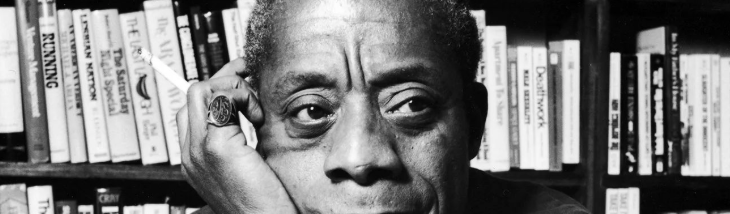
I recently read a wonderful book, Our Fathers: Reflections by Sons, a collection of essays by prominent writers about their relationships with their fathers. Funny, tragic, bittersweet, each piece caused me to stop and consider the myriad ways my own father manifests in me.
The opening essay, “Notes of a Native Son,” is a famous one, written by James Baldwin on the occasion of his father’s death. Published the year I was born, it speaks powerfully to me today.
I love the way James Baldwin writes; I honor the way he lived. His analysis, his anger, the clarity with which he sees the world. A clarity reserved for an outsider. Baldwin’s astute damnation of our nation, our prejudices, and our behaviors is always right. Yet he consistently yields short of being righteous. He identifies our human horrors, and then finds some glimmer of potential, some opportunity for communion or understanding. He suggests that someday, in some meaningful way, we might bridge the abyss that separates us all.
Towards the end of “Notes of a Native Son,” in the close of a lengthy paragraph about the legacy of his father’s preaching, Baldwin writes this single line.
“Hatred, which could destroy so much, never failed to destroy the man who hated, and this was an immutable law.”
That line catapults me forward seventy-one years, to our dismal state of 2026, where hate has been normalized into government policy. Somehow, someday, our Hater-in-Chief will be destroyed by his own hate. If we can recognize Baldwin’s wisdom, and let it take root, we will learn from our folly that gave Trump such power. And we will expand, once again, in love.


