
For the past ten years I’ve been a guinea pig, offering myself up to be studied at the altar of medical science. I’ve been in studies at MGH and BWH, at BU and Brandies, at Harvard and Tufts. I’ve been in one-time studies, longitudinal studies, dietary studies, sleep studies, blood studies, and COVID studies. But mostly I’ve been in aging/memory/dementia studies. The primary research focus of my demographic. I’ve played so many cognitive games and had so many PET-CT’s, EEG’s, and MRI’s, my brain is well-worn terrain.
I do it for science. At least that’s what I tell everyone. But there are other satisfactions. The small stipends and free cafeteria coupons. The comfort that if all this imaging reveals something troubling, I’ll be aware. But the biggest satisfaction has always been the comfort I feel upon releasing myself, in trust, to a system that works.
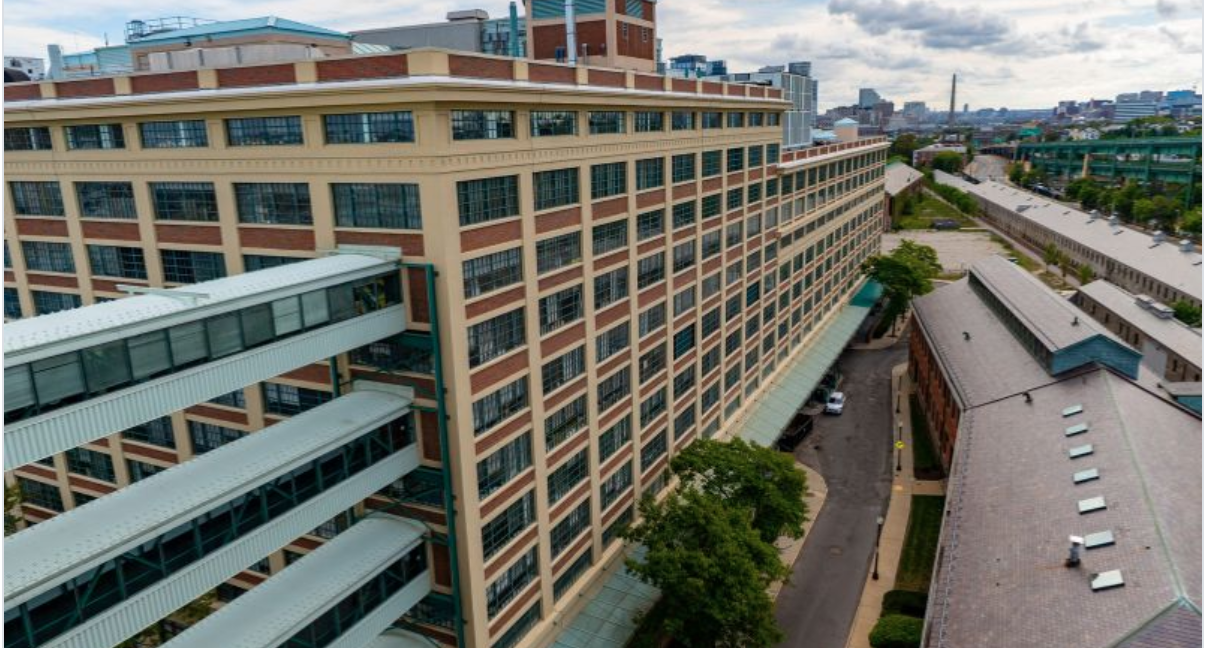
Medical research is exacting, and every one of the studies I’ve been a part of has been carefully designed and meticulously executed. Spending a day at MGH’s mammoth research building in Charlestown is not unlike entering an elite spa. The research coordinator greets me at the door and personally escorts me through whatever litany of consents, blood draws, physical exams, tests and procedures is on my docket. Every setting is in place upon my arrival. Everyone is universally pleasant and so appreciative. It makes me feel special.
Until recently. Last month I participated in two studies that were, frankly, slip-shod.
The first included brain studies that required an EEG and cognitive tests on site, followed by two overnights wearing a sleep profiler to monitor brain activity. All tasks I’d done before, in various contexts. That night I went through the routine of swabbing my forehead and chin and arms, attaching the electrodes, running the wires through my sleep shirt, connecting it all to the profiler headset, and settling into bed. When I pressed the button to start recording I received a new message: “There is insufficient battery to monitor the night’s rest.” Angry, I got up and ripped off all the wires. The next day I sent a terse email to the study coordinator that they had sent me home with out-of-juice batteries. She subsequently mailed me the battery charger, and a few days later I was able to successfully measure my sleep.
The next week I spent another day at MGH Charlestown, this time for different tests and an MRI. A portion of the 90-minute MRI included being connected to a breathing apparatus that delivered a custom proportion of O2/CO2. However, they aborted that part of the study shortly after it began, and later told me that the CO2 canister was empty and no one on the study team could find a replacement. Would I be willing to return another day to do that portion?
A quick financial analysis ran through my head. I was being paid $200 for a six-hour stint as a research specimen, while MGH was burning through thousands of dollars to employ four people to attend to me, one of whom was an MD, plus the cost of two hours of MR time. Much of this investment was now wasted because no one remembered to check the CO2 level in a canister.
As a result, they offered me an additional $25 for a few more hours’ time, while they would spend hundreds more to reschedule the MRI.
From a financial perspective, it makes no sense for me to return because of the study team’s carelessness. At the same time, I don’t do this for the money, and without the full study, their results will be compromised. I still haven’t decided whether to return and let them complete the session. Not because of the money, so much as the disappointment I feel. That the little bubble of perfection I’ve always felt in doing medical research, has been burst.


