

I received a message in today’s email: New Rep is closing its doors. This time for good. Forty years is a good long run for a theatre company. Still, I am so sorry to see the New Rep go.
The New Repertory Theatre was founded by Larry Lane in 1984. Early seasons (1985-2005) were staged in a church in West Newton, where New Rep tackled challenging material in an unconventional space. We sat our hard chairs on a flat floor and looked up at the tiny stage where actors tore into one another. American Buffalo. Topdog/Underdog. Audiences used our imaginations to fill in so-called production values: the signature quality of New Rep was always the acting; What I experienced in that claustrophobic space remains with me to this day. Perhaps the rawest theater I’ve ever seen.
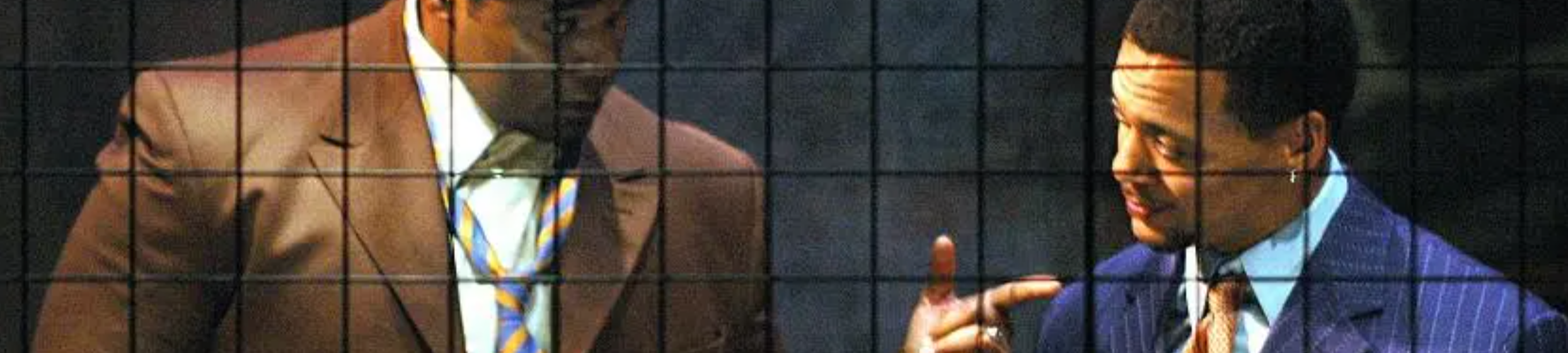
In the fall of 2005 New Rep ‘graduated’ to become the resident company at the Charles Mosesian Theater in Watertown’s revitalized Arsenal Yards. A spacious 339-seat theater with excellent rake and large stage. As with any step up in the world, the advantage of becoming established came with unique challenges. Watertown isn’t uber-liberal as Newton, so the company polished its edginess to attract bigger audiences to its larger space. Also, the Arsenal didn’t boast the array of downtown dining spots theatre-goers crave. New Rep had to hope that free parking would compensate for slimmer dinner options
I subscribed for several years. Gritty shows, like The Pillowman (Fall 2006) featured high caliber acting, but its intensity diminished in the voluminous space. The company rose to the challenge of larger productions, such as Ragtime (Spring 2006), but other theatres in the Boston area offered similar fare.
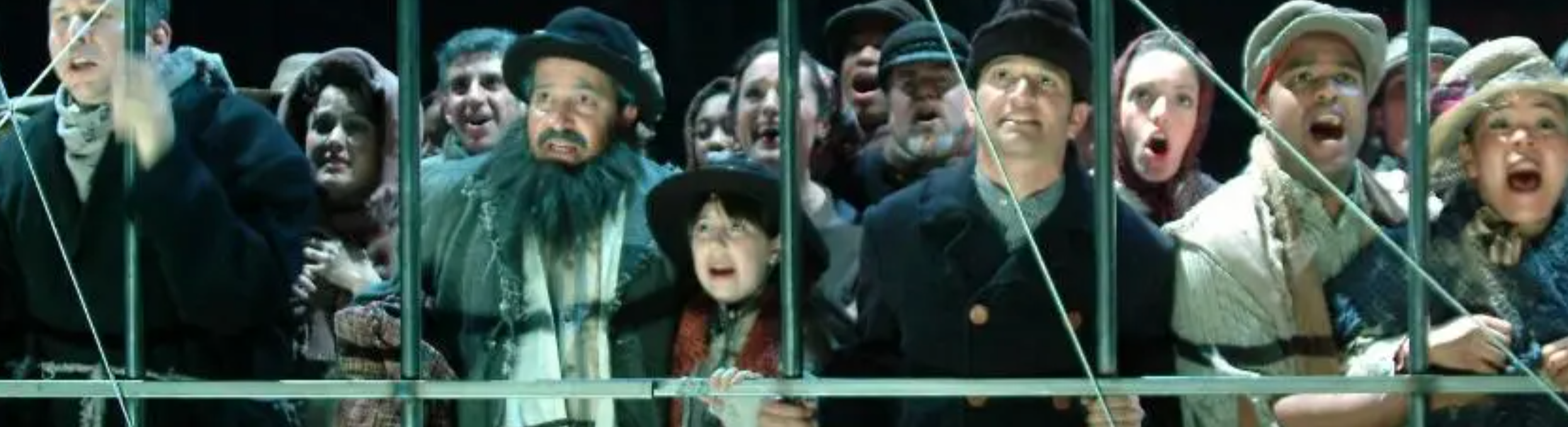
When longtime Artistic Director Jim Petosa left in 2019, Michael Bobbitt’s short stint in that job coincided with the pandemic, leaving New Rep in a vulnerable state. The company closed.
And then, nine months later, New Rep attempted a phoenix-like resurrection, with an ambitious vision: a complete focus on inclusion and diversity; a collaborative process centered on new work by new voices; and a creative approach to programming. Instead of a sole Artistic Director, Angelica Potter became Director of Organizational Transition, working with an array of BIPOC Resident Artists. Instead of a traditional season of four to six plays running three to four weeks each, New Rep produced a buffet of musical events, readings, and community programming.
What would be an ambitious agenda for any arts organization, proved a Herculean effort for a company coming out of the pandemic with a vision that didn’t particularly match its community. Watertown is a vibrant, progressive, rapidly growing town, the next ring of urban Boston. Still, Watertown’s population is over 75% white, and less than 4% African-American. I can’t help but wonder that the New Rep’s vision was shaped more by its board’s commitment to under-represented voices than an assessment of what the community would support. When a company commits to producing only BIPOC work, it can lose patrons who seek a broader theatrical experience.
New Rep’s 2023 season included three plays: Larry Kramer’s The Normal Heart; Lorraine Hanbury’s A Raisin in the Sun, and Diaspora! a new play by Phaedra Michelle Scott; each produced in the intimate black box rather on the Mosenian Main Stage. The productions reminded me of New Rep’s early days: simple sets, lighting that highlighted the actors, all of whom were remarkable. An actor friend of mine who was in The Normal Heart told me that New Rep actually paid the cast above scale, such was their commitment to the craft.

Thus, the 2023 season brought New Rep back to its roots: revealing difficult stories in a dark space through exquisite acting. It is unlikely that New Rep will rise yet again. But let’s hope there is always a place in our community for companies like it: people who come together to express the tragedy and glory of the human condition, and bring it into the light.

 The Awkward Pose
We appreciate this so much, Paul. Thank you for the kind words and reflections!
Any idea where Larry Lane is these days? Old friend from Stanford. hal.gelb@sbcglobal,net